
At the time of writing this, I’ve backpacked through 17 countries across 4 continents. Before I started traveling, I thought I understood what communication meant. I thought it was about language: expressing ideas clearly and being understood in return. Seventeen countries later, I don’t really believe that anymore.
Traveling taught me that communication has very little to do with words. It is presence, curiosity, body language, patience, and the willingness to understand someone even when you technically can’t speak to each other. Some of the most meaningful conversations I’ve ever had happened without sharing a common language at all.
My first solo backpacking trip was to Europe when I was 18. I visited eight countries and navigated unfamiliar cities on my own for the first time. It was exciting, but not in the way I expected. The cultures were different, but still familiar enough to remain comfortable. Looking back, I realize I was still traveling like a tourist, moving through spaces designed for other tourists.
I realize now that unless you actively seek out local experiences, it is easy to stay within a version of travel that never truly challenges your perspective. Having a beer in an Irish pub in Austria surrounded by English-speaking travelers wasn’t exactly the life-changing cultural experience I imagined before leaving home. Still, even that trip showed me something important: people everywhere want connection. Moments of sharing ideas, experiences, and perspectives that highlighted the universal human desire to connect.
It is my belief that people who don’t travel have the tendency to reject other cultures. They have already, often unknowingly, determined their perception of another culture. In most scenarios, they are judging and accessing another culture from the position of their very own. This is what is known as as cultural perspective. I didn’t realize how common this was until a year after my first solo trip to Europe, when I told my family and friends I was headed to South East Asia for six weeks alone.
Many of them responded with disbelief, followed by concern. I was told it wasn’t safe, that if anything happened to me no one could help me. They told me tourists get kidnapped, the police were corrupt and locals would try to scam me. All concerns were largely shaped by western media portrayals rather than personal experience. There is always someone ready to tell you a country is unsafe, and it’s almost always someone who has never been there. They expressed their concerns in the comfort of their homes in America, as the news of another shooting plays on the television in the background.
I landed in Singapore in December. Safe, organized, wealthy, and easy to navigate, it felt like the perfect place to ease myself into a completely different part of the world. I used Singapore as a transition point, somewhere to adjust before diving deeper into the unfamiliar.
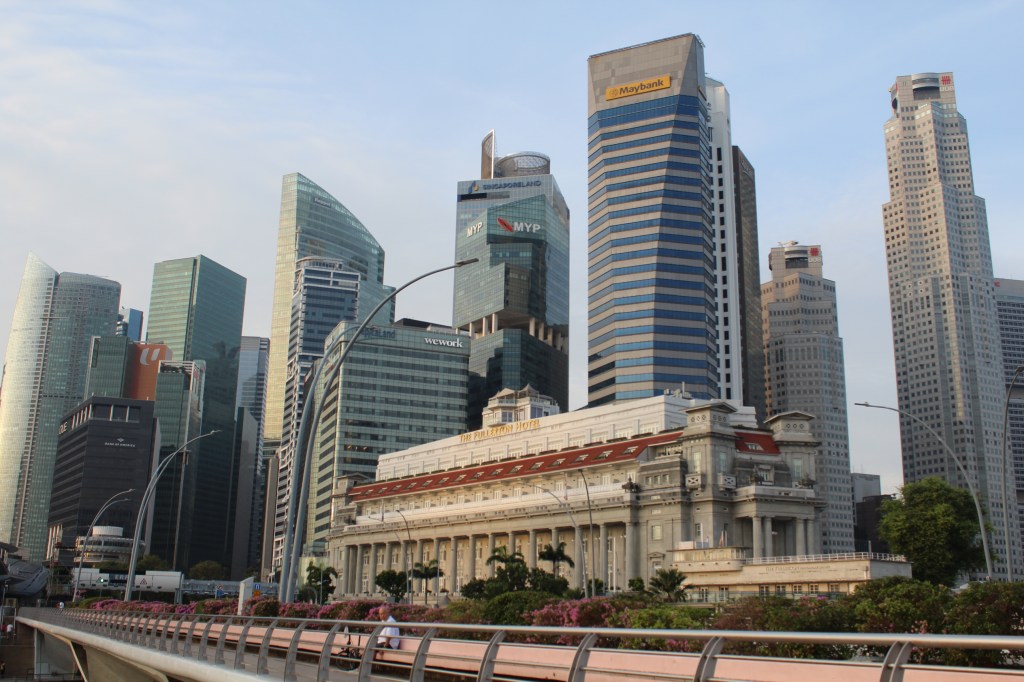
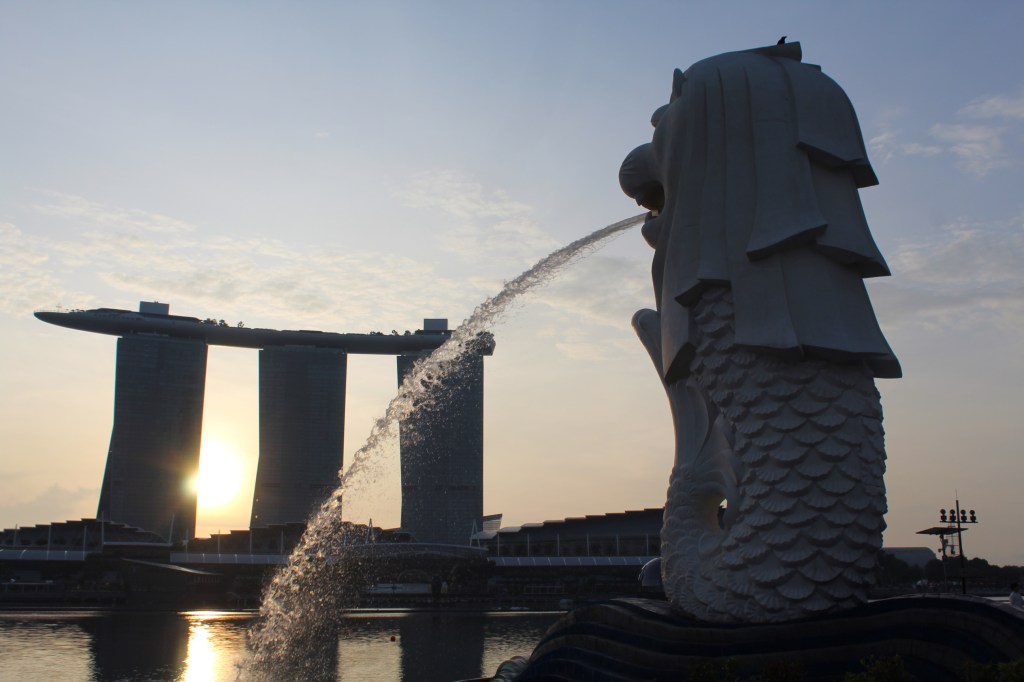

The crazy thing about backpacking is you meet a lot of people, really, really, cool people. Luckily, when I was in backpacking Milan, I met this girl named Miriam who actually lived in Singapore. I hadn’t talked to her in well over 6 months yet when I told her I was coming to Singapore there was no doubt in her mind about hosting me. I swear, backpackers are the coolest people ever.
She showed me around her country, told me about the history and the best places to eat, but most importantly she told me about her culture. She told me what was considered disrespectful, how to show gratitude, she told me about their beliefs and values. Granted, I did not speak mandarin so the gestures of gratitude often came in handy.
I spent almost every day eating at one of the local hawker centers she recommended. Massive 5 story tall open-air food courts packed with tiny family-run stalls, crowded tables, steam rising from every direction, filled with the sound of chatter in languages I couldn’t understand. Most menus were entirely in Mandarin, and many vendors spoke little English. I usually just pointed at something random and hoped for the best. For the equivalent of a dollar or two, I’d end up with a meal I couldn’t pronounce, using chopsticks I barely knew how to hold.
Yet there is something so special about eating a meal I couldn’t name, using utensils I’ve never held, and being surrounded by the chatter of a language I could not understand. That was exactly what I had been searching for. Not another tourist bar. Not another version of home. Something unfamiliar enough to force me out of autopilot.
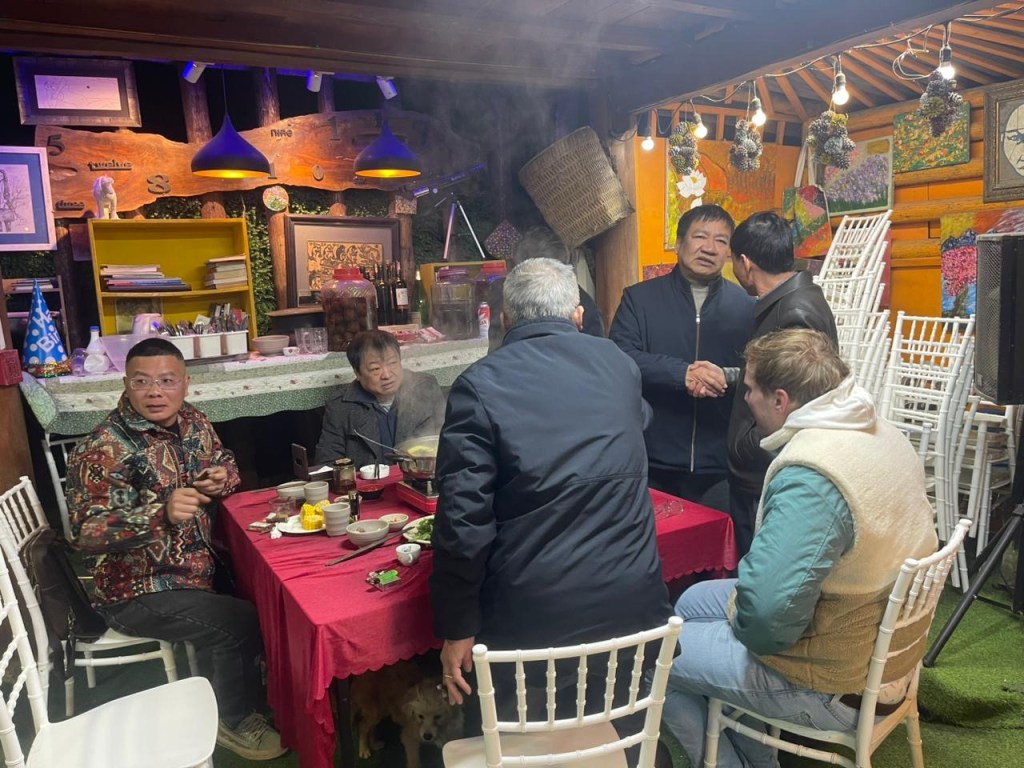
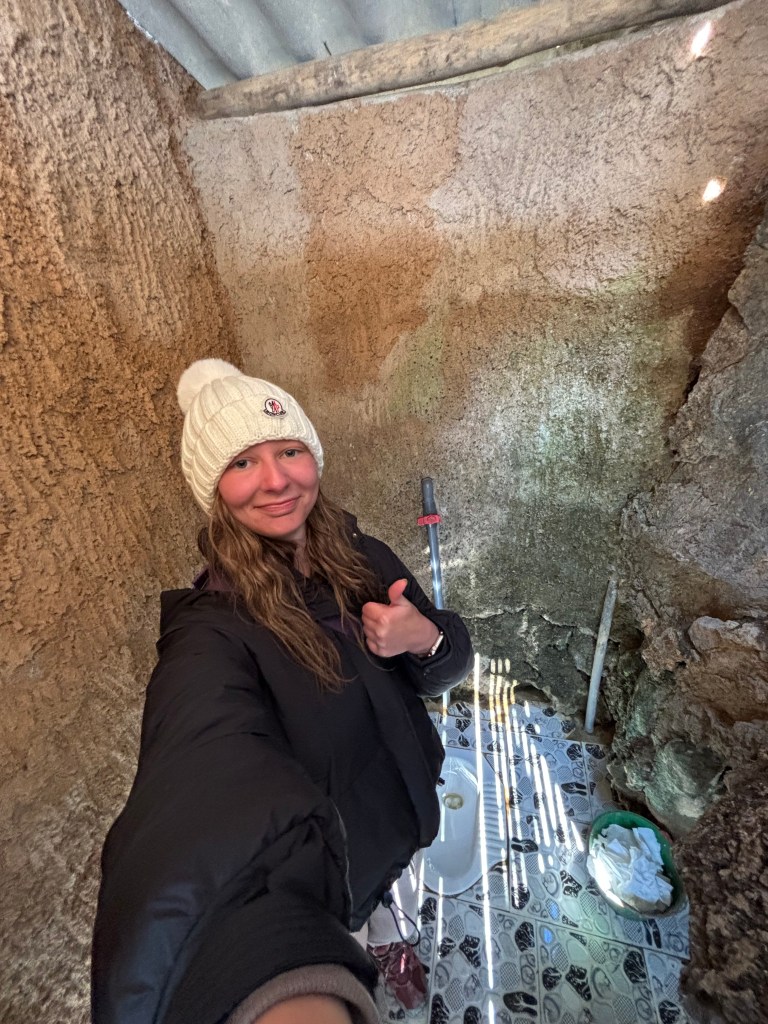
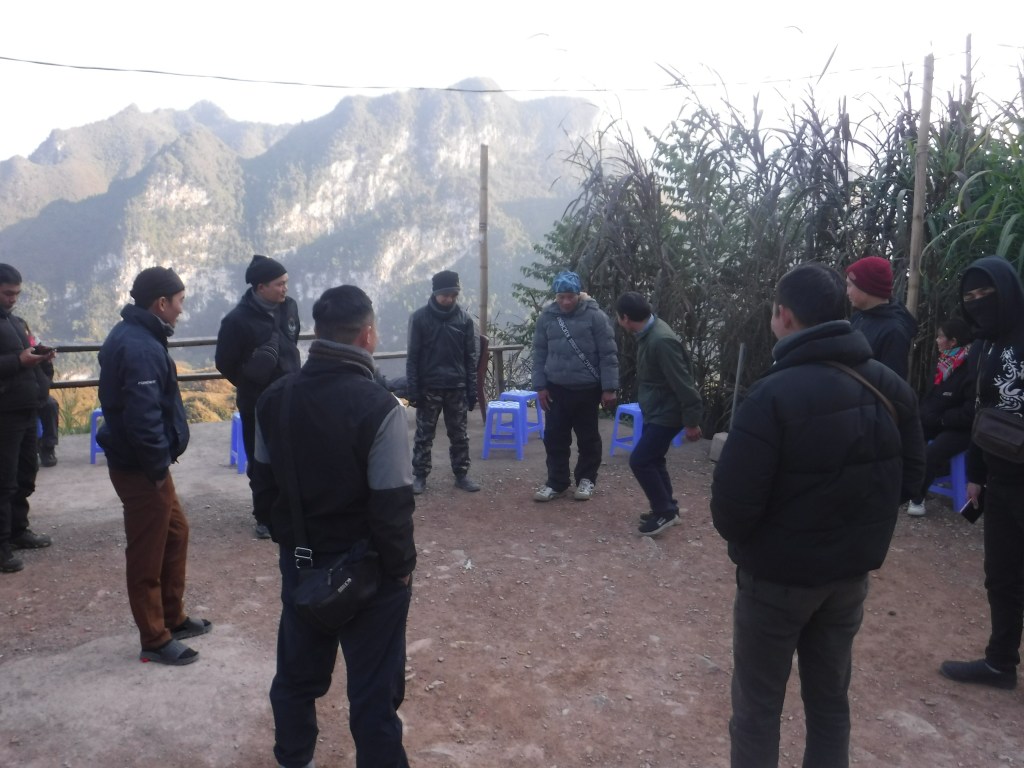
As the trip continued through Thailand, the Philippines, and Vietnam, I became more comfortable living inside that discomfort. I ate dinners on sidewalks sitting on plastic stools, shared beers with strangers, and spent hours around people I technically couldn’t communicate with. Yet somehow we still did. A thumbs up, laughter, eye contact, gestures, or offering some tea was usually enough. Somewhere between late nights in crowded street markets and random dinners with strangers, I realized how genuine curiosity and openness communicate far more than language ever could.
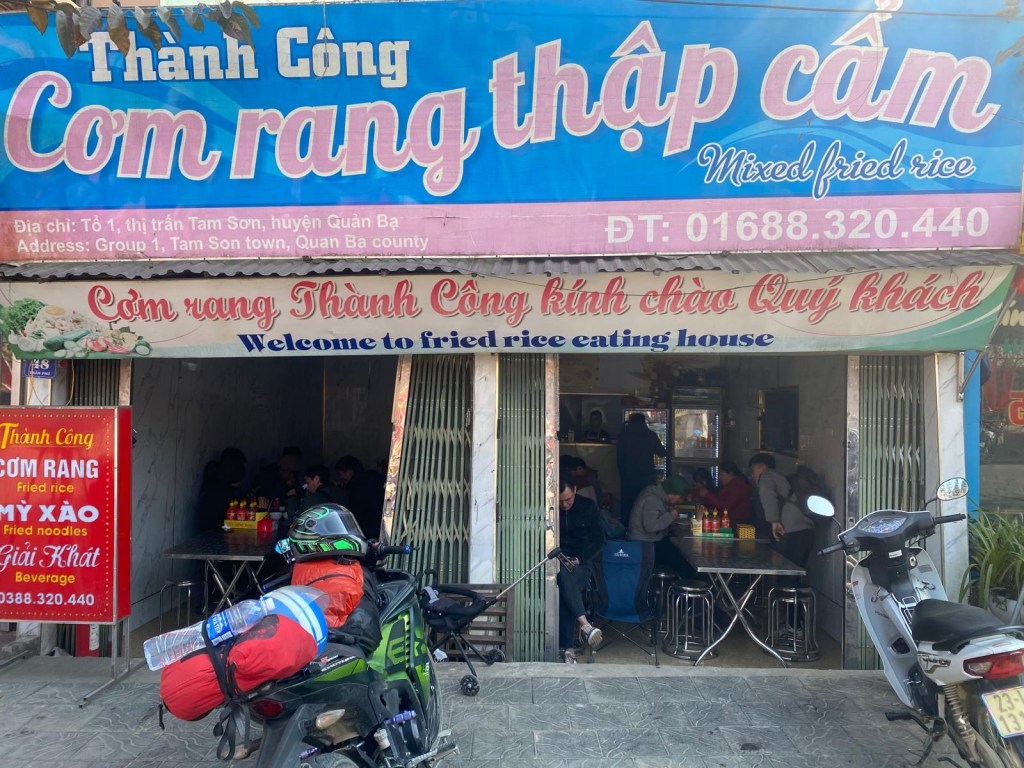
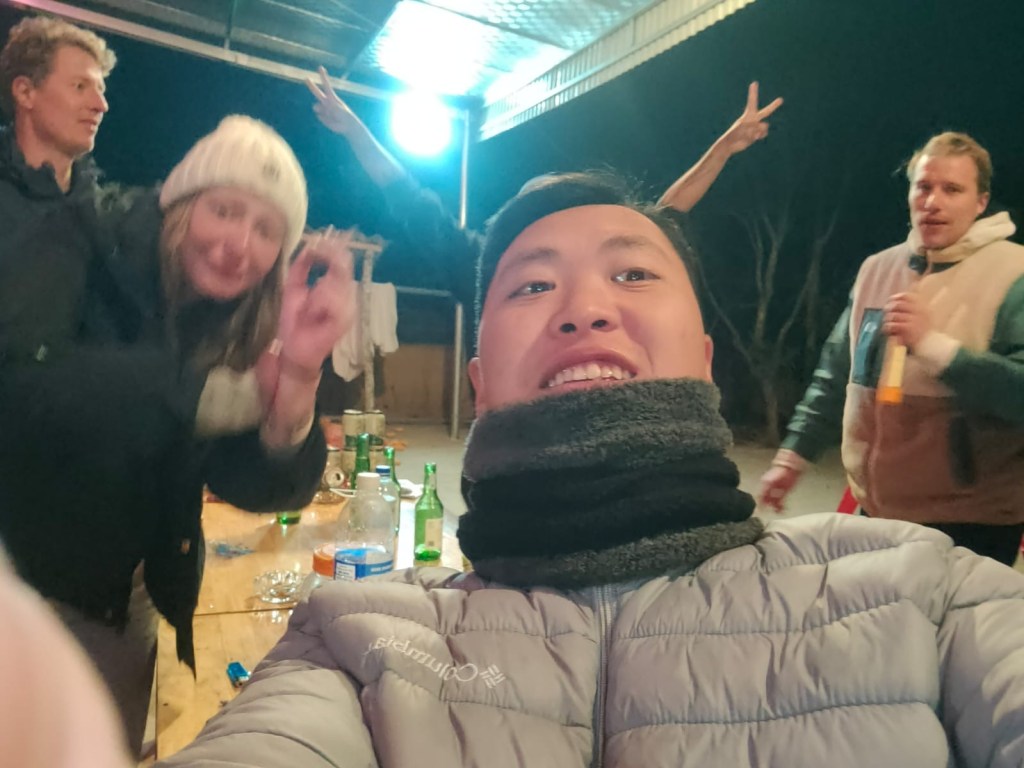
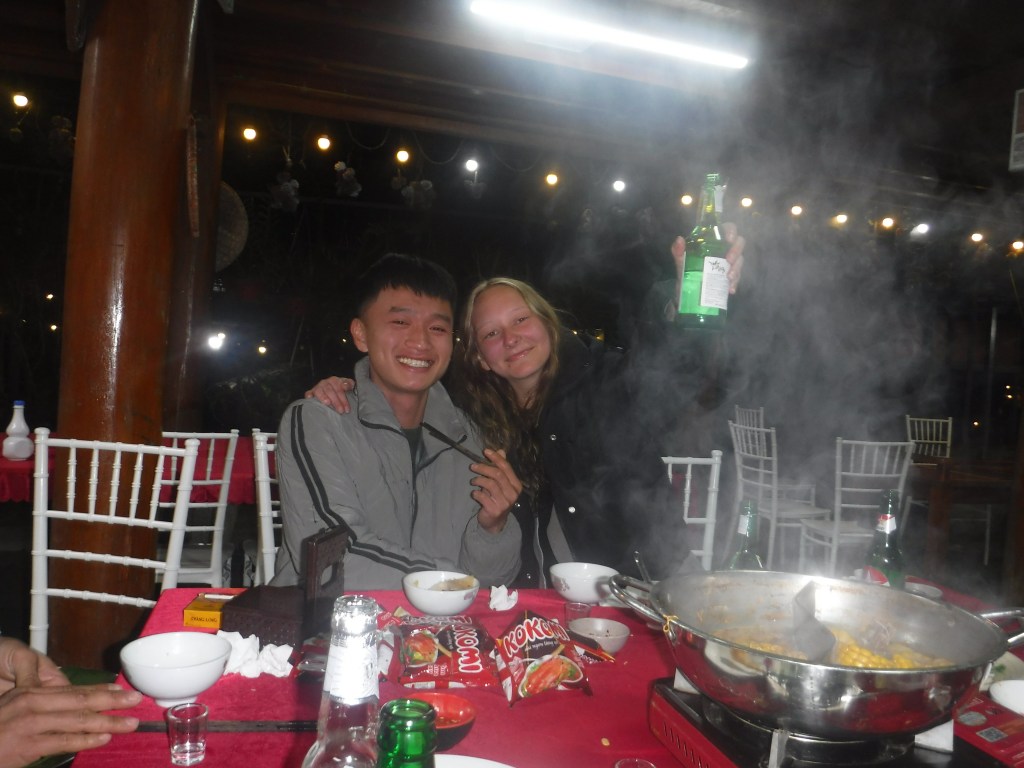
You learn a surprising amount about people while sharing a cheap meal in a crowded street market. Language becomes less important. In places where I understood almost none of the language, I often understood people the clearest.
When I came back to America, I returned with chopsticks stuffed in my overfilled and definitely overweight backpack – and endless stories about friendships built almost entirely through smiles and broken translations. Yet everyone was shocked I didn’t get scammed, kidnapped, killed, or hurt (well I did break my collarbone in Vietnam but that was my own fault and a story for a different time…), their fears echoing the same stereotypes I had just disproven through lived experience.
Just days earlier I was in Hanoi Vietnam, standing in a war museum surrounded by photographs of war and the voices of those who had lived through it. Though the violence on display did not belong to Vietnam, much of it came from the country I returned to. Vietnam isn’t a wealthy country, despite the overcrowded cities, poverty, and visible scars left behind by war, I was met with generosity, curiosity, and open arms everywhere I went.
Returning to America felt strange. I came back to a wealthy country, built on capitalism, consumerism, and power, yet it felt less welcoming than the places people had warned me to fear. The irony was obvious: A nation scarred by war showed me more humanity than the country that wages war in the name of power.
I don’t speak Mandarin, Thai, Filipino, or Vietnamese. English wasn’t common in many of the places I traveled. Yet I was almost never judged for it. People were patient. They laughed with me instead of at me. They appreciated the effort, even when communication completely failed.
That stuck with me. Because I know if many of those same people came to America unable to speak English, they would not always receive the same kindness in return.


Leave a Reply