
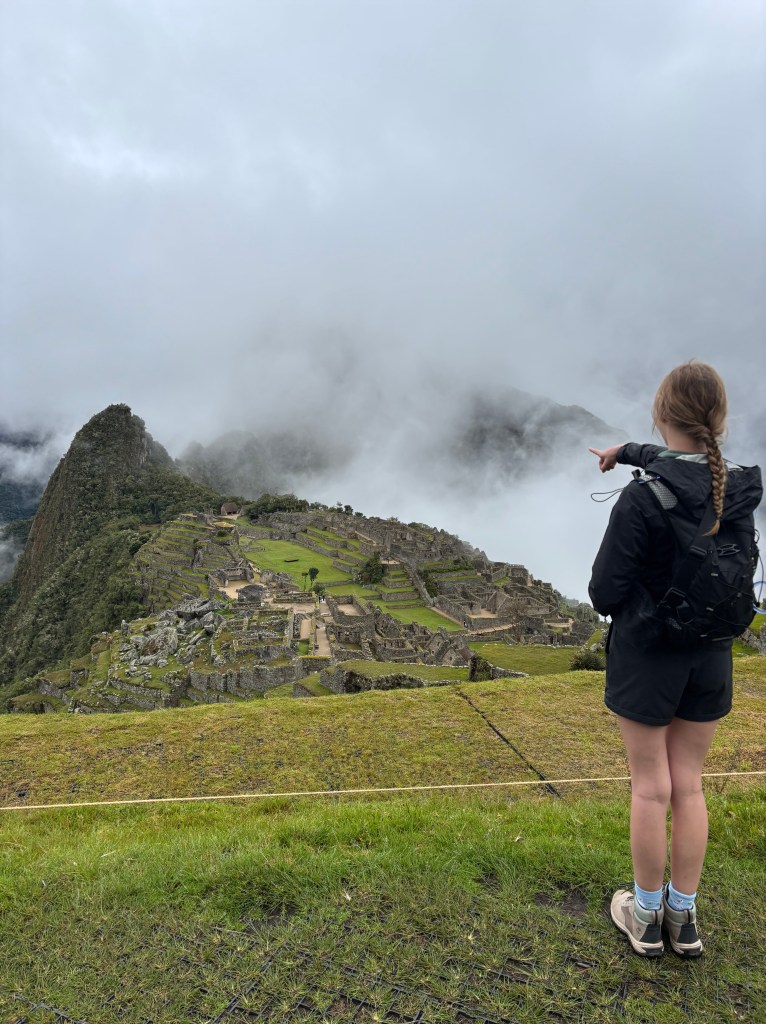
Peru is home to some of the world’s most breathtaking landscapes and attractions, one of the most famous being Machu Picchu. At its base lies the small town of Aguas Calientes, a gateway to the ancient city. Machu Picchu was once abandoned and hidden from Spanish colonizers, remaining hidden to the outside world for over 300 years until its rediscovery in 1911. Today, it allows us to look into the past, to study history and experience something preserved through time.
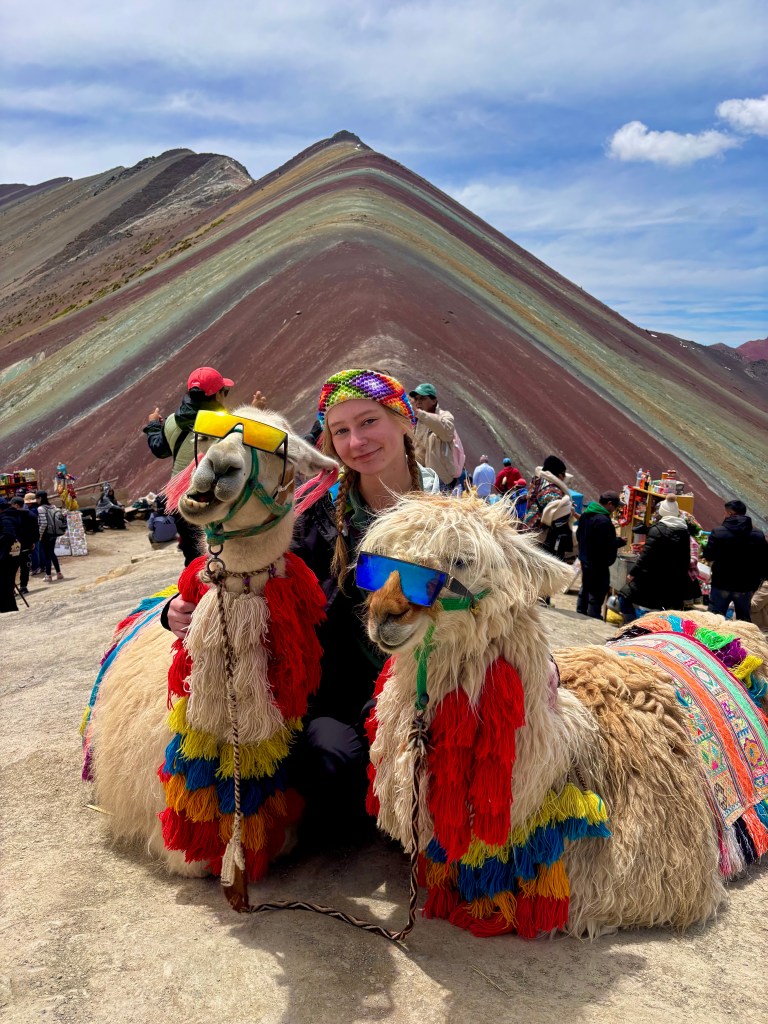
About 50 miles away, near Cusco, lies another breathtaking destination. Unlike Machu Picchu, however, this one was not hidden by intention. Rainbow Mountain is known for its vibrant, layered colors and today it is a major attraction for travelers around the world. But its story is very different.
I backpacked through Peru in December of 2025 and had the opportunity to visit both places. While Machu Picchu serves as a lens into the past, Rainbow Mountain feels like a lens into the future..
Only about a decade ago, Rainbow Mountain was completely covered by snow and ice. Its now-famous colors were hidden beneath a glacier that had existed for generations. When the glacier began to melt around 2015, the mountain’s surface was revealed for the first time, exposing the vivid colors that now draw thousands of visitors each year.
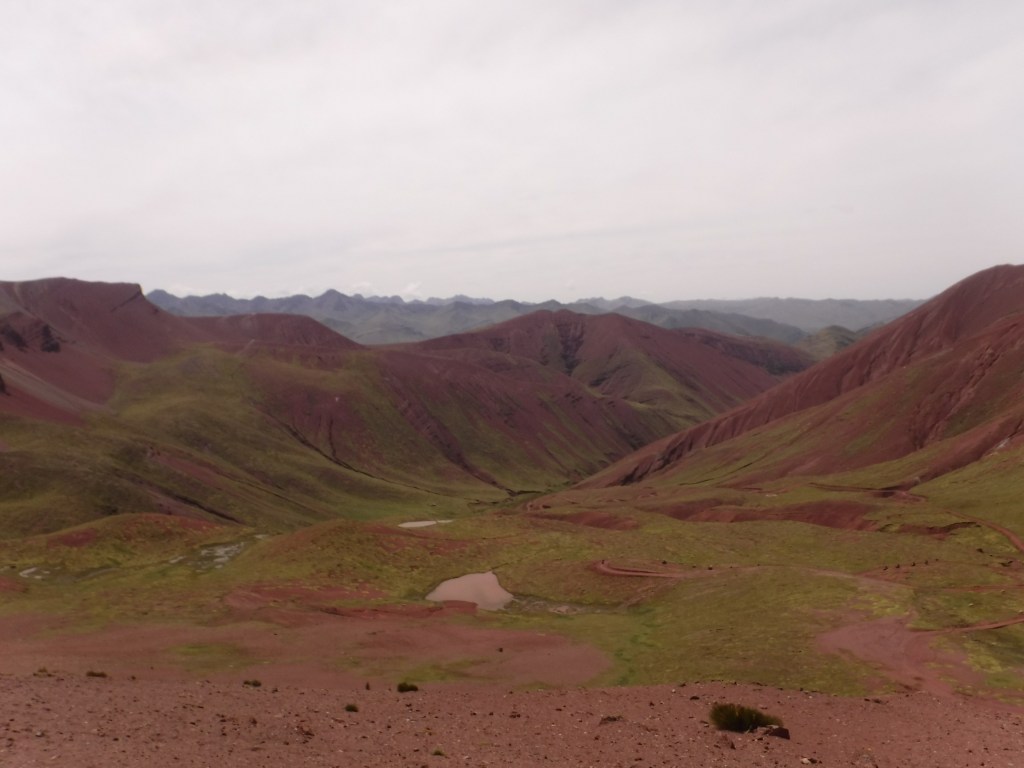
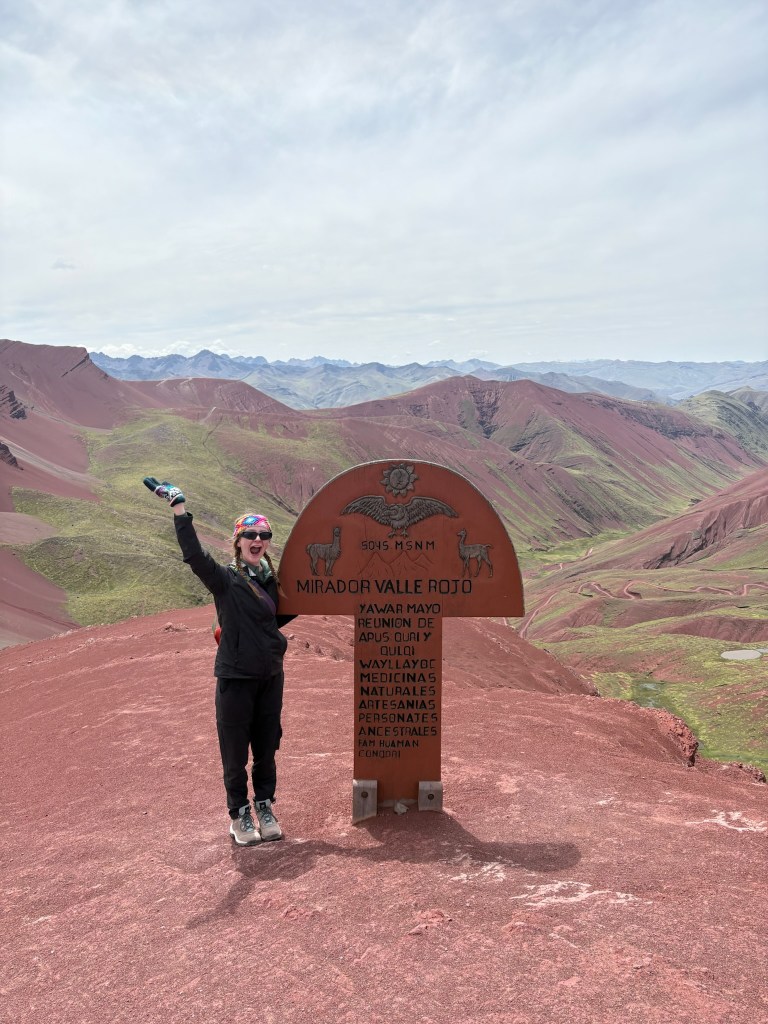
Standing at over 16,000 feet, I reached the summit surrounded by tourists and llamas dressed in bright, colorful clothing. Looking out, I could trace the path I had just hiked and see the vast red valley stretching into the distance. On one side of the mountain, the landscape was dry and exposed, painted in deep reds and earth tones. On the other, glaciers still remained, most quietly receding, as if waiting their turn to become the next attraction.
I stood there smiling, taking photos, and participating in the same moment as everyone around me. At the time, I did not fully understand what I was standing on. I was simply another tourist, appreciating what I saw without questioning how it came to be.
What struck me most was not just the view, but the contrast. Rainbow Mountain exists not because it was preserved, but because something was lost.
I do not think the story behind Rainbow Mountain is widely understood. The sequence of events that revealed its beauty felt almost invisible to the crowd around me. People laughed, took photos, and admired the colors, but few seemed to question why the mountain had only recently appeared.
In that moment, it felt as though the cause had been separated from the result. Climate change had created something visually stunning, and in doing so, it had been reframed as something to celebrate rather than something to question.
I did not just climb a mountain, I climbed proof. I was standing on a visible result of climate change. Not a concept or debate, but the visible result of change that some still choose not to believe.
As I hiked back down, I found myself looking more closely at the glaciers behind the mountain. The longer I looked, the more I noticed their gradual retreat. What once covered the mountain was still there, but not for long.
Peru is home to one of the world’s greatest wonders. But it is also home to something else entirely.
Rainbow Mountain is not a wonder.
It is a warning.
 The Ecology of Care Across Borders
Leave a comment